
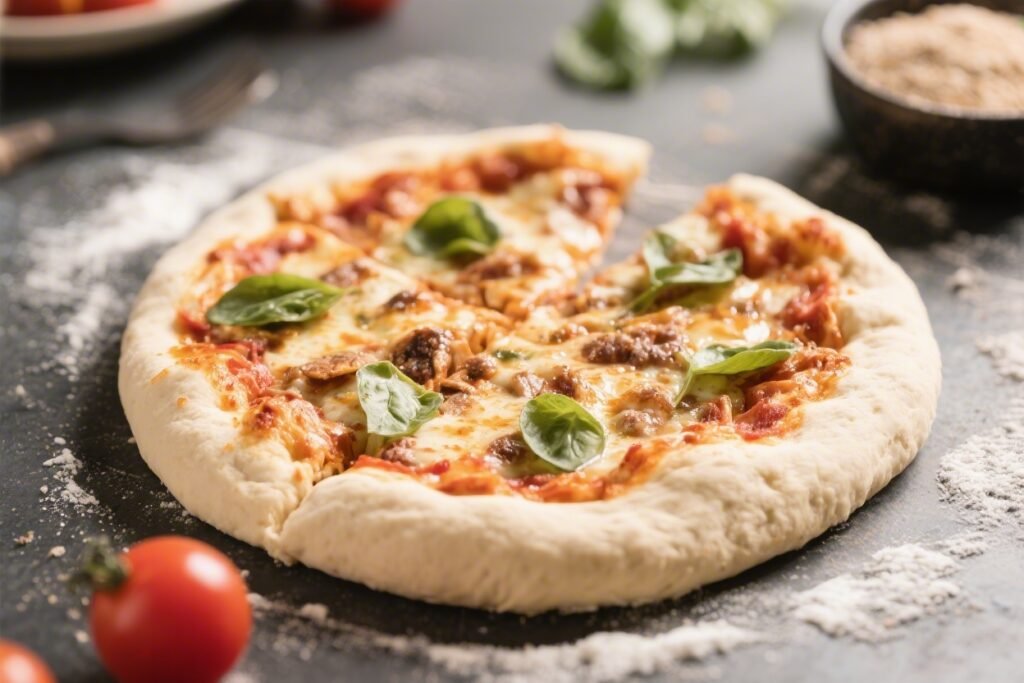
If you’ve been missing pizza night because of gluten, this dough brings it back—no compromises. It bakes up with crisp edges, a tender chew, and a sturdy base that won’t fall apart under sauce and toppings. You don’t need fancy equipment or bakery skills, just a few pantry staples and the right method.
This recipe also plays nicely with time: make it tonight or prep it ahead for a weekend feast. Once you try it, you’ll wonder why gluten-free pizza ever felt complicated.

Ultimate Gluten-Free Pizza Dough - Crisp Edges, Chewy Center, Big Flavor
Ingredients
- Dry ingredients: 1 3/4 cups (245 g) gluten-free all-purpose flour blend (with rice flour base; not self-rising)
- 1/2 cup (70 g) fine white rice flour (for extra structure)
- 1/2 cup (70 g) tapioca starch (or potato starch)
- 2 teaspoons psyllium husk powder (not whole husks)
- 1 1/2 teaspoons fine sea salt
- 2 teaspoons sugar or honey
- 2 teaspoons instant yeast (also called rapid-rise)
- Wet ingredients: 1 1/4 to 1 1/2 cups (300–360 ml) warm water, about 105–115°F (40–46°C)
- 2 tablespoons extra-virgin olive oil, plus more for the bowl and pan
- 1 teaspoon apple cider vinegar (optional, for tenderness)
- For shaping and baking: Olive oil or nonstick spray
- Cornmeal or extra rice flour for dusting
- Your favorite sauce, cheese, and toppings
Instructions
- Prep your oven and surface. If using a pizza stone or steel, place it on the middle rack and preheat to 500°F (260°C) for at least 45 minutes. If using a baking sheet, turn it upside down and preheat with the oven for 20 minutes.
- Mix the dry base. In a large bowl, whisk the gluten-free flour blend, white rice flour, tapioca starch, psyllium husk powder, salt, sugar, and instant yeast until fully combined.Psyllium needs even distribution for the right texture.
- Add liquids. Stir in 1 1/4 cups warm water, olive oil, and vinegar. Mix with a sturdy spoon until a thick, sticky dough forms. If it looks dry or crumbly, add water 1 tablespoon at a time until it resembles soft clay—moist but not soupy.
- Rest the dough. Cover the bowl and let it sit for 10 minutes.This short rest allows psyllium to hydrate, making the dough smoother and easier to handle.
- Knead briefly. Lightly oil your hands. Knead the dough in the bowl for 1–2 minutes, folding it over itself to build cohesion. It won’t feel like wheat dough, but it should become supple and unified.
- First rise. Lightly oil a clean bowl, add the dough, and cover.Let rise in a warm spot for 45–60 minutes, or until puffed by about 50%. It may not double, and that’s fine.
- Divide and shape. For two 10–12-inch pizzas, divide the dough in half. Place a piece on lightly oiled parchment.With oiled fingertips, press and nudge it outward to a 1/4-inch thickness, leaving a slightly thicker rim. If it resists, pause for 5 minutes and continue.
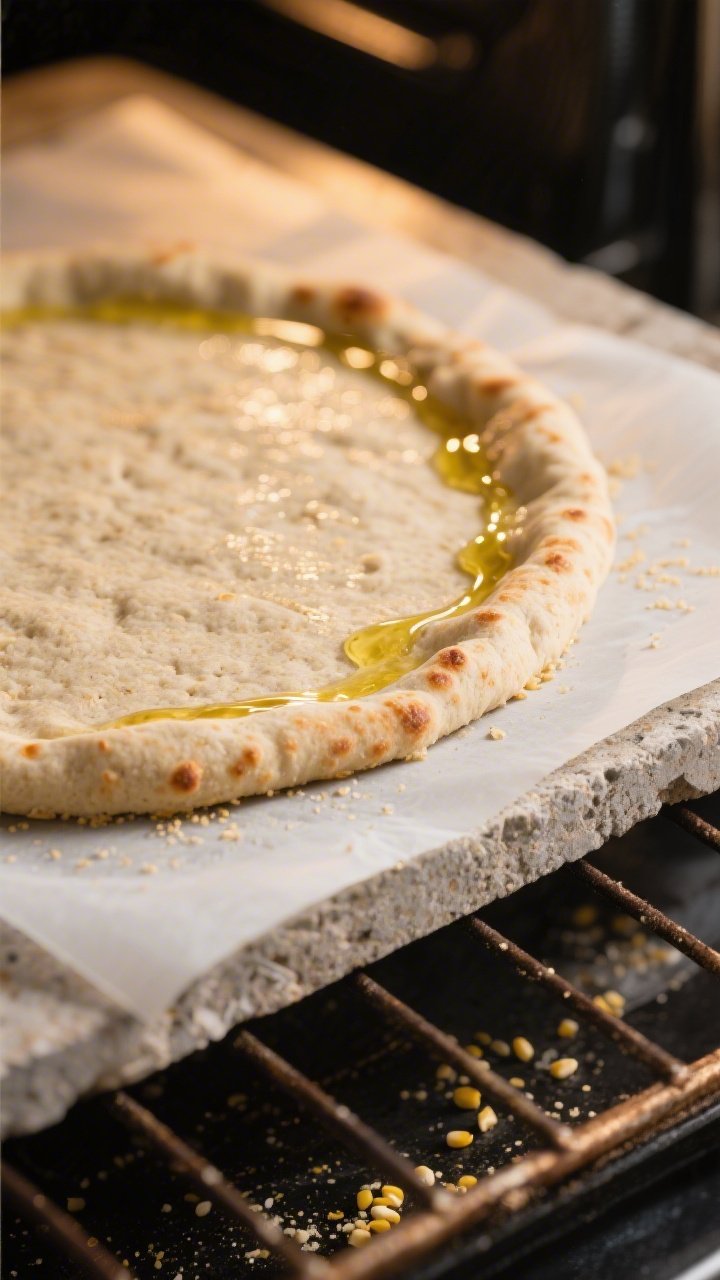
- Par-bake for structure. Slide the parchment onto your hot stone/steel or preheated baking sheet. Bake at 500°F (260°C) for 5–7 minutes, until the surface looks set and matte but not browned.Repeat with the second crust if needed.
- Top the pizza. Add a thin layer of sauce, cheese, and toppings. Avoid overloading—too much moisture prevents browning. A light hand gives the best crisp-chewy balance.
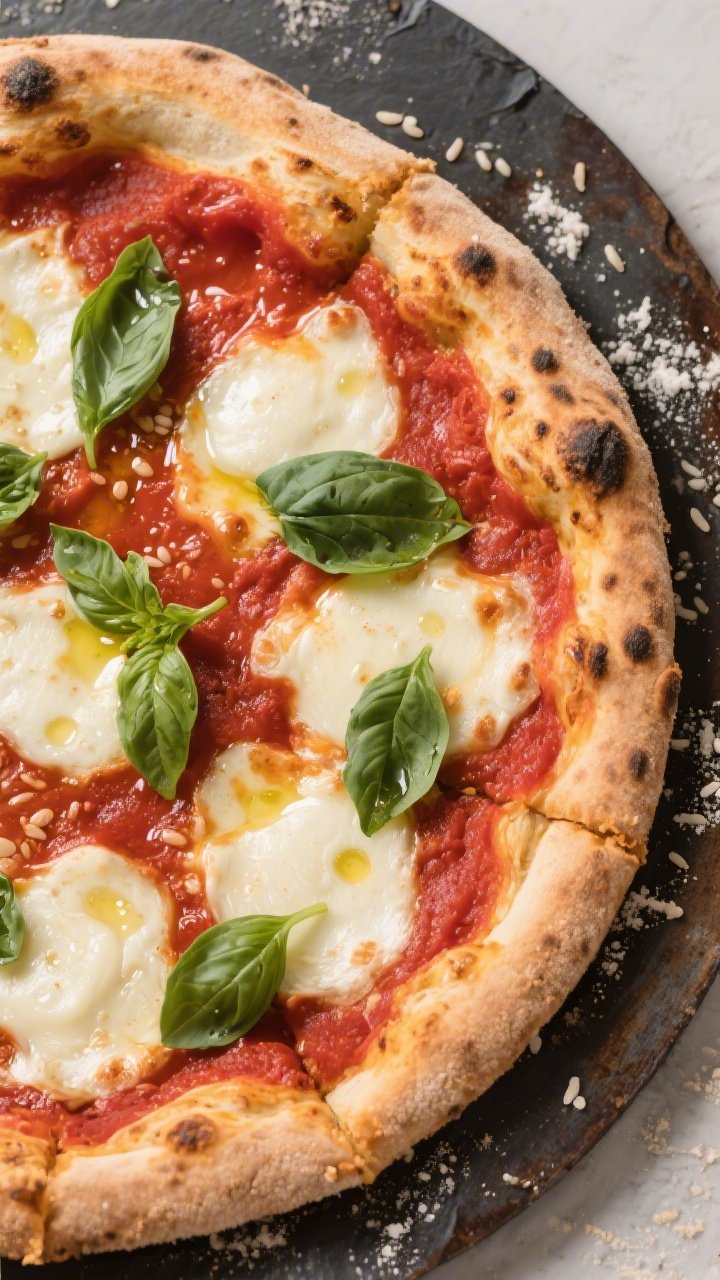
- Final bake. Return to the oven and bake 6–10 minutes, until the cheese is bubbly and the edges are golden.For extra color, switch to broil for 1–2 minutes at the end, watching closely.
- Rest and slice. Let the pizza cool on a rack for 3–5 minutes. This brief rest helps the crust set so slices hold their shape.
What Makes This Special
- Authentic texture without gluten: A smart blend of flours and starches delivers a chewy interior and golden, crisp rim.
- Stretchable, workable dough: Hydration, a touch of psyllium husk, and olive oil give the dough flexibility and structure.
- Real rise and flavor: Instant yeast lifts the dough, while a short rest adds depth so it doesn’t taste “gluten-free.”
- Versatile bake options: Works on a pizza stone, steel, baking sheet, or cast-iron skillet.
- Make-ahead friendly: The dough holds well in the fridge or freezer without losing quality.
What You’ll Need
- Dry ingredients:
- 1 3/4 cups (245 g) gluten-free all-purpose flour blend (with rice flour base; not self-rising)
- 1/2 cup (70 g) fine white rice flour (for extra structure)
- 1/2 cup (70 g) tapioca starch (or potato starch)
- 2 teaspoons psyllium husk powder (not whole husks)
- 1 1/2 teaspoons fine sea salt
- 2 teaspoons sugar or honey
- 2 teaspoons instant yeast (also called rapid-rise)
- Wet ingredients:
- 1 1/4 to 1 1/2 cups (300–360 ml) warm water, about 105–115°F (40–46°C)
- 2 tablespoons extra-virgin olive oil, plus more for the bowl and pan
- 1 teaspoon apple cider vinegar (optional, for tenderness)
- For shaping and baking:
- Olive oil or nonstick spray
- Cornmeal or extra rice flour for dusting
- Your favorite sauce, cheese, and toppings
Instructions
- Prep your oven and surface. If using a pizza stone or steel, place it on the middle rack and preheat to 500°F (260°C) for at least 45 minutes. If using a baking sheet, turn it upside down and preheat with the oven for 20 minutes.
- Mix the dry base. In a large bowl, whisk the gluten-free flour blend, white rice flour, tapioca starch, psyllium husk powder, salt, sugar, and instant yeast until fully combined.
Psyllium needs even distribution for the right texture.
- Add liquids. Stir in 1 1/4 cups warm water, olive oil, and vinegar. Mix with a sturdy spoon until a thick, sticky dough forms. If it looks dry or crumbly, add water 1 tablespoon at a time until it resembles soft clay—moist but not soupy.
- Rest the dough. Cover the bowl and let it sit for 10 minutes.
This short rest allows psyllium to hydrate, making the dough smoother and easier to handle.
- Knead briefly. Lightly oil your hands. Knead the dough in the bowl for 1–2 minutes, folding it over itself to build cohesion. It won’t feel like wheat dough, but it should become supple and unified.
- First rise. Lightly oil a clean bowl, add the dough, and cover.
Let rise in a warm spot for 45–60 minutes, or until puffed by about 50%. It may not double, and that’s fine.
- Divide and shape. For two 10–12-inch pizzas, divide the dough in half. Place a piece on lightly oiled parchment.
With oiled fingertips, press and nudge it outward to a 1/4-inch thickness, leaving a slightly thicker rim. If it resists, pause for 5 minutes and continue.
- Par-bake for structure. Slide the parchment onto your hot stone/steel or preheated baking sheet. Bake at 500°F (260°C) for 5–7 minutes, until the surface looks set and matte but not browned.
Repeat with the second crust if needed.
- Top the pizza. Add a thin layer of sauce, cheese, and toppings. Avoid overloading—too much moisture prevents browning. A light hand gives the best crisp-chewy balance.
- Final bake. Return to the oven and bake 6–10 minutes, until the cheese is bubbly and the edges are golden.
For extra color, switch to broil for 1–2 minutes at the end, watching closely.
- Rest and slice. Let the pizza cool on a rack for 3–5 minutes. This brief rest helps the crust set so slices hold their shape.
Storage Instructions
- Fridge: Wrap unbaked dough tightly and refrigerate up to 24 hours. Let it come to room temperature for 20 minutes before shaping.
- Freezer (dough): Portion, wrap well, and freeze up to 1 month.
Thaw overnight in the fridge, then rest at room temperature before shaping.
- Par-baked crusts: Cool completely, wrap, and freeze up to 6 weeks. Top straight from frozen and bake 8–12 minutes.
- Leftover pizza: Refrigerate in an airtight container for 2–3 days. Reheat on a skillet over medium heat with a lid for crisp bottom and melty cheese.
Health Benefits
- Gluten-free friendly: Great for those with celiac disease or gluten sensitivity when using certified gluten-free ingredients.
- Better digestibility: Psyllium husk adds soluble fiber, which can support digestion and promote fullness.
- Balanced fats: Olive oil brings heart-friendly monounsaturated fats and helps with that tender, crisp bite.
- Customizable nutrition: Top with vegetables, lean protein, and a moderate amount of cheese for a more balanced meal.
Common Mistakes to Avoid
- Using whole psyllium husks instead of powder: The texture changes and the dough can become gummy.
Use powdered psyllium for consistency.
- Under-hydrating: Too little water leads to cracking and a dry crust. The dough should be tacky and flexible.
- Skipping the par-bake: Without it, toppings can weigh the crust down and keep it pale. Par-baking locks in structure.
- Overloading with sauce and cheese: Excess moisture prevents browning and crisping.
Keep toppings balanced.
- Baking in a cool oven: High heat is key to oven spring and color. Preheat thoroughly, especially stones and steels.
Recipe Variations
- Herbed crust: Add 1 teaspoon each dried oregano and basil, plus 1/2 teaspoon garlic powder to the dry mix.
- Whole-grain boost: Swap 1/4 cup of the white rice flour for sorghum or buckwheat flour for a heartier flavor.
- Dairy-free: The dough is already dairy-free; just use dairy-free cheese or go sauce-and-veg only.
- Thin and crispy: Roll or press the dough slightly thinner and extend the final bake by 1–2 minutes.
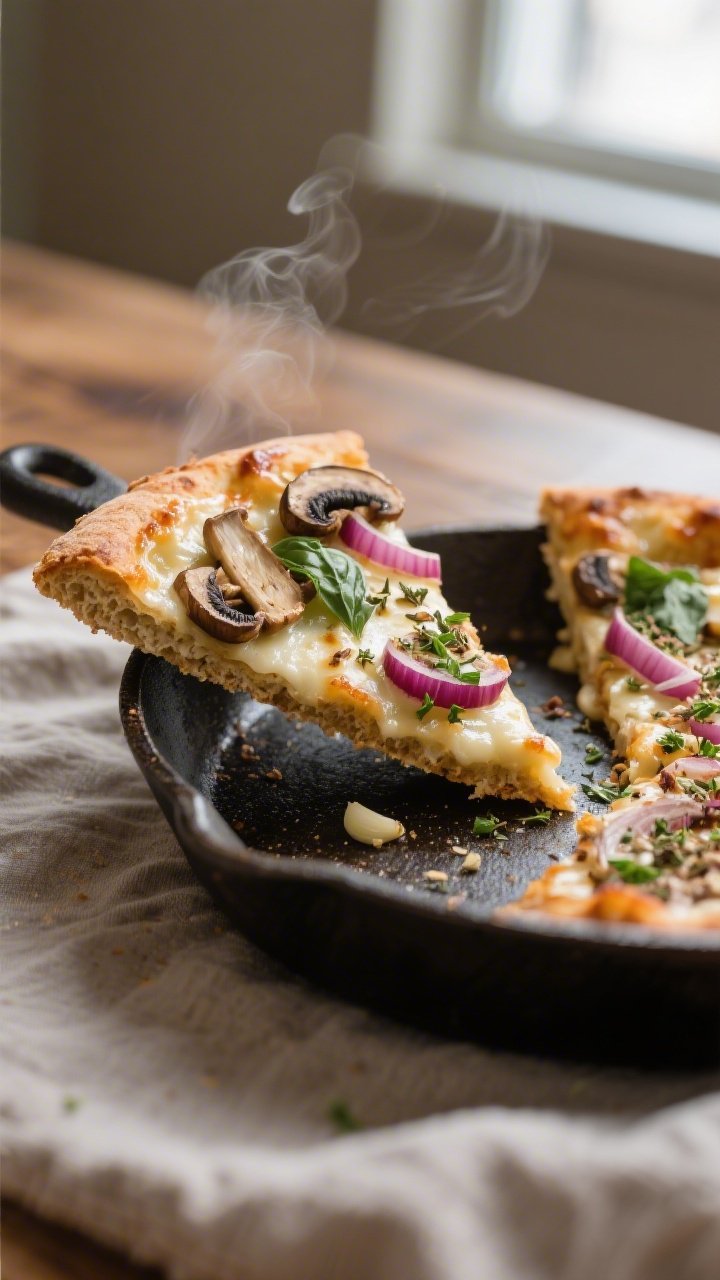
- Pan pizza: Press the dough into a well-oiled cast-iron skillet, let it rest 10 minutes, then top and bake at 475°F (245°C) for 12–15 minutes.
- Garlic butter finish: Brush baked crust edges with melted butter (or olive oil) mixed with minced garlic and parsley.
FAQ
Can I use a single gluten-free flour instead of a blend?
Using one flour won’t deliver the right texture. A blend plus starch and psyllium creates chew, lift, and crispness that a single flour can’t match.
What if I only have active dry yeast?
Use the same amount, but proof it first in the warm water with the sugar for 5–10 minutes until foamy.
Then proceed with the recipe.
Do I need a stand mixer?
No. A sturdy spoon and your hands work fine. The dough is more like soft clay than elastic bread dough, so minimal kneading is needed.
Why is my crust pale?
Most often, the oven or stone wasn’t hot enough, or the toppings were too wet.
Preheat longer, par-bake, and keep toppings light.
Can I make this without psyllium husk?
Psyllium is key for structure and chew. If you must, substitute with 1 tablespoon ground flaxseed plus 1 tablespoon chia seeds, but expect a slightly more fragile crust.
How do I prevent sticking?
Use lightly oiled parchment for shaping and baking. Avoid wax paper.
Dust with rice flour or cornmeal if needed.
Can I cold-ferment the dough overnight?
Yes. Refrigerate the dough after mixing for up to 24 hours. Bring to room temperature for about 20 minutes before shaping for easier handling and better rise.
Wrapping Up
Great gluten-free pizza starts with smart ingredients and bold heat.
This dough gives you a crisp base, a tender center, and the freedom to top it your way. Keep the hydration generous, par-bake for strength, and don’t skip a thorough preheat. With those simple habits, pizza night is back on the calendar—no compromises, just great pie.
Printable Recipe Card
Want just the essential recipe details without scrolling through the article? Get our printable recipe card with just the ingredients and instructions.