
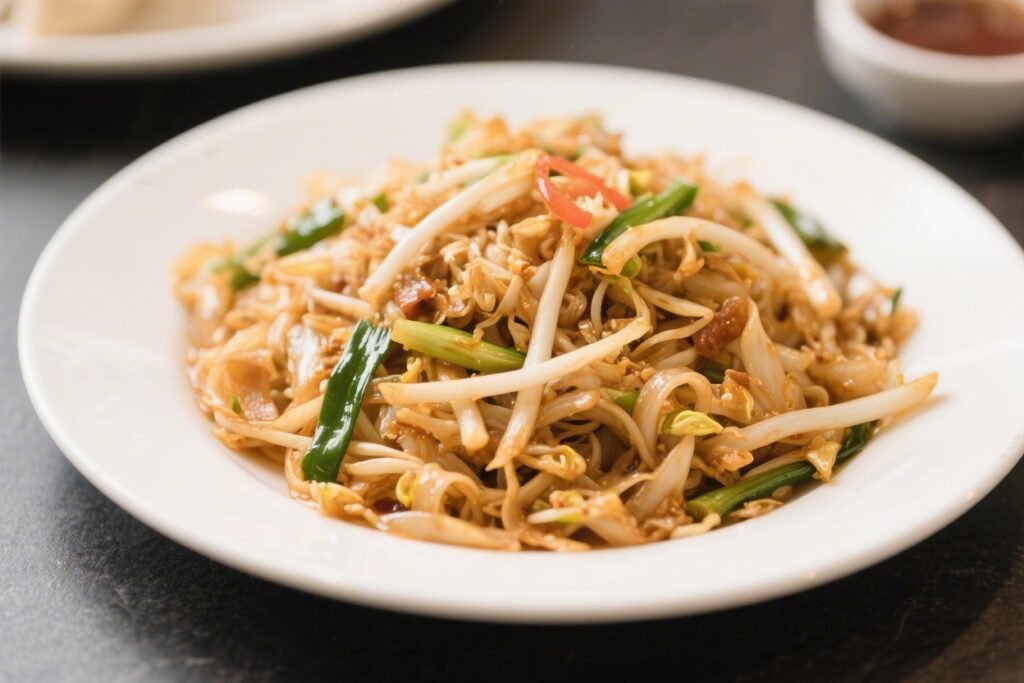
Pad Thai is one of those dishes that hits every note: sweet, tangy, savory, and a little spicy. When you make it gluten-free, you don’t lose any of that magic—you just swap a few pantry staples and keep the spirit of the dish intact. This version is fast enough for a weeknight and special enough for company.
It’s balanced, colorful, and loaded with textures: chewy noodles, crunchy peanuts, and tender veggies. If you’ve been missing takeout-style Pad Thai on a gluten-free diet, this is the one to try.
Gluten-Free Pad Thai - Bright, Tangy, and Weeknight-Friendly
Ingredients
- Rice noodles: Flat rice sticks, 1/4-inch wide, 8 ounces.Check the label to confirm gluten-free.
- Protein: 8–12 ounces shrimp (peeled), thin-sliced chicken thigh or breast, or extra-firm tofu (pressed and cubed).
- Eggs: 2 large, lightly beaten.
- Aromatics: 3 cloves garlic, minced; 2 green onions, sliced (whites and greens separated).
- Vegetables: 1 cup bean sprouts; 1 small carrot, julienned; 1 cup shredded cabbage or snap peas (optional).
- Oil: Neutral, high-heat oil (avocado, peanut, or canola).
- Peanuts: 1/3 cup roasted, unsalted, roughly chopped.
- Fresh herbs and garnish: Lime wedges, fresh cilantro, extra green onions, and optional Thai chilies or red pepper flakes.
- 3 tablespoons tamarind paste (not concentrate; if using concentrate, start with 1–1.5 tablespoons and adjust)
- 3 tablespoons gluten-free tamari (or coconut aminos for soy-free; adjust salt to taste)
- 2–3 tablespoons palm sugar or brown sugar
- 1–2 tablespoons fish sauce (make sure brand is gluten-free) or use extra tamari for vegetarian
- 1 tablespoon rice vinegar or fresh lime juice
- 1–2 teaspoons chili paste (like sambal oelek) or a pinch of red pepper flakes
Instructions
- Soak the noodles: Place dry rice noodles in a large bowl and cover with hot tap water. Soak until pliable but not mushy, 20–30 minutes. Drain just before cooking.
- Mix the sauce: In a small bowl, whisk tamarind, tamari, sugar, fish sauce, vinegar or lime, and chili paste.Taste and balance: you want tangy, sweet, salty, and a little spicy. Adjust to your liking.
- Prep the add-ins: Beat the eggs in a small bowl. Pat your protein dry and season lightly with salt.Have garlic, onions, and veggies ready—Pad Thai cooks fast.
- Cook the protein: Heat 1 tablespoon oil in a large nonstick skillet or wok over medium-high. Add shrimp, chicken, or tofu. Cook until just done (shrimp turn pink and curl, chicken is no longer pink, tofu is golden).Transfer to a plate.
- Scramble the eggs: Add a little more oil if needed. Pour in eggs and scramble gently until just set. Slide them to the plate with the protein.
- Sauté aromatics: Add 1 teaspoon oil.Toss in garlic and the white parts of the green onions. Stir 30 seconds until fragrant but not browned.
- Add noodles and sauce: Add drained noodles to the pan. Pour in the sauce.Toss with tongs for 1–2 minutes until the noodles absorb the sauce and turn glossy. If they seem dry, splash in 1–2 tablespoons water.
- Add veggies and protein: Return protein and eggs to the pan with bean sprouts, carrot, and any extra veg. Toss 1–2 more minutes.The noodles should be tender, not mushy. Remove from heat.
- Finish and serve: Stir in the green parts of the onions. Top with chopped peanuts, cilantro, and chili.Serve with lime wedges. Taste and adjust at the table—more lime for brightness, a pinch of sugar for roundness, or a dash of tamari for salt.
What Makes This Recipe So Good
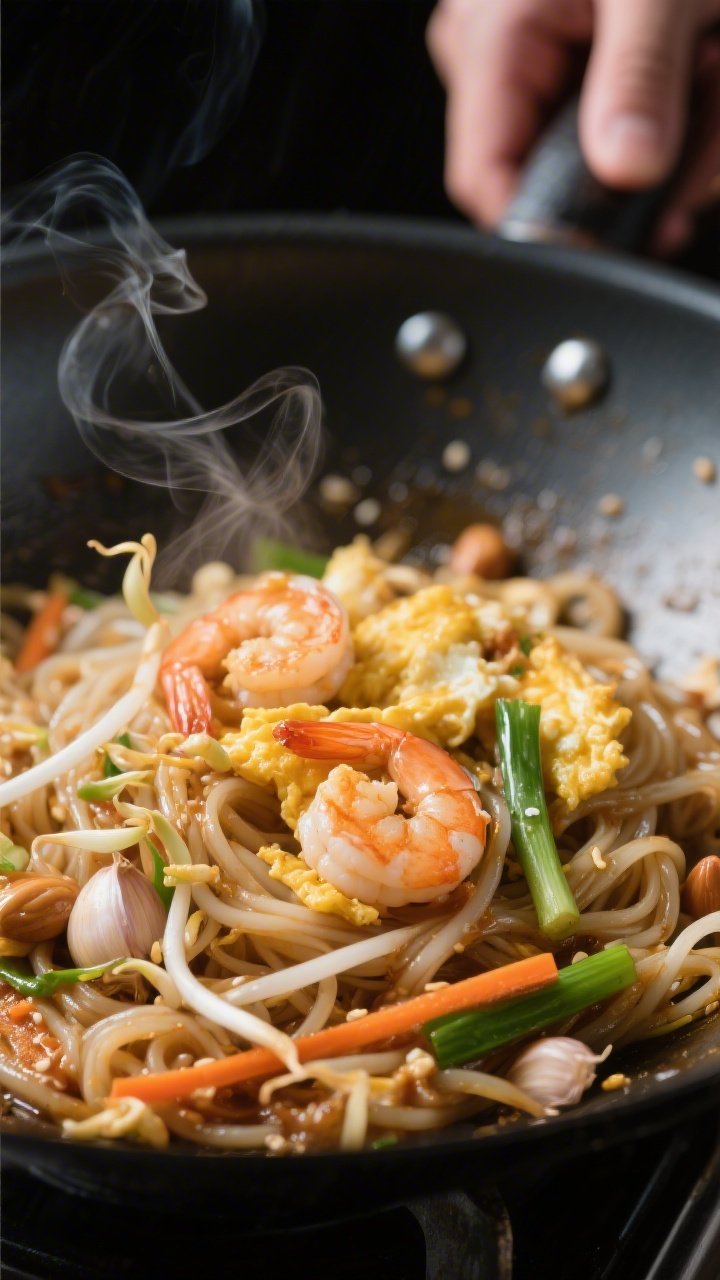
- Authentic flavor, gluten-free swaps: We use tamarind paste, fish sauce, and lime to keep the classic taste while choosing gluten-free tamari or coconut aminos instead of soy sauce.
- Quick and flexible: It cooks in one pan and comes together in under 30 minutes once the sauce is mixed and noodles are soaked.
- Protein your way: Choose shrimp, chicken, tofu, or a combo. The recipe adapts easily to whatever you have.
- Weeknight-friendly staples: Rice noodles, eggs, peanuts, and a few condiments deliver big flavor with minimal fuss.
- Balanced and bright: Every bite blends tangy tamarind, a hint of sweetness, and heat, with loads of fresh lime and herbs to finish.
What You’ll Need
- Rice noodles: Flat rice sticks, 1/4-inch wide, 8 ounces.
Check the label to confirm gluten-free.
- Protein: 8–12 ounces shrimp (peeled), thin-sliced chicken thigh or breast, or extra-firm tofu (pressed and cubed).
- Eggs: 2 large, lightly beaten.
- Aromatics: 3 cloves garlic, minced; 2 green onions, sliced (whites and greens separated).
- Vegetables: 1 cup bean sprouts; 1 small carrot, julienned; 1 cup shredded cabbage or snap peas (optional).
- Oil: Neutral, high-heat oil (avocado, peanut, or canola).
- Peanuts: 1/3 cup roasted, unsalted, roughly chopped.
- Fresh herbs and garnish: Lime wedges, fresh cilantro, extra green onions, and optional Thai chilies or red pepper flakes.
For the gluten-free Pad Thai sauce:
- 3 tablespoons tamarind paste (not concentrate; if using concentrate, start with 1–1.5 tablespoons and adjust)
- 3 tablespoons gluten-free tamari (or coconut aminos for soy-free; adjust salt to taste)
- 2–3 tablespoons palm sugar or brown sugar
- 1–2 tablespoons fish sauce (make sure brand is gluten-free) or use extra tamari for vegetarian
- 1 tablespoon rice vinegar or fresh lime juice
- 1–2 teaspoons chili paste (like sambal oelek) or a pinch of red pepper flakes
How to Make It
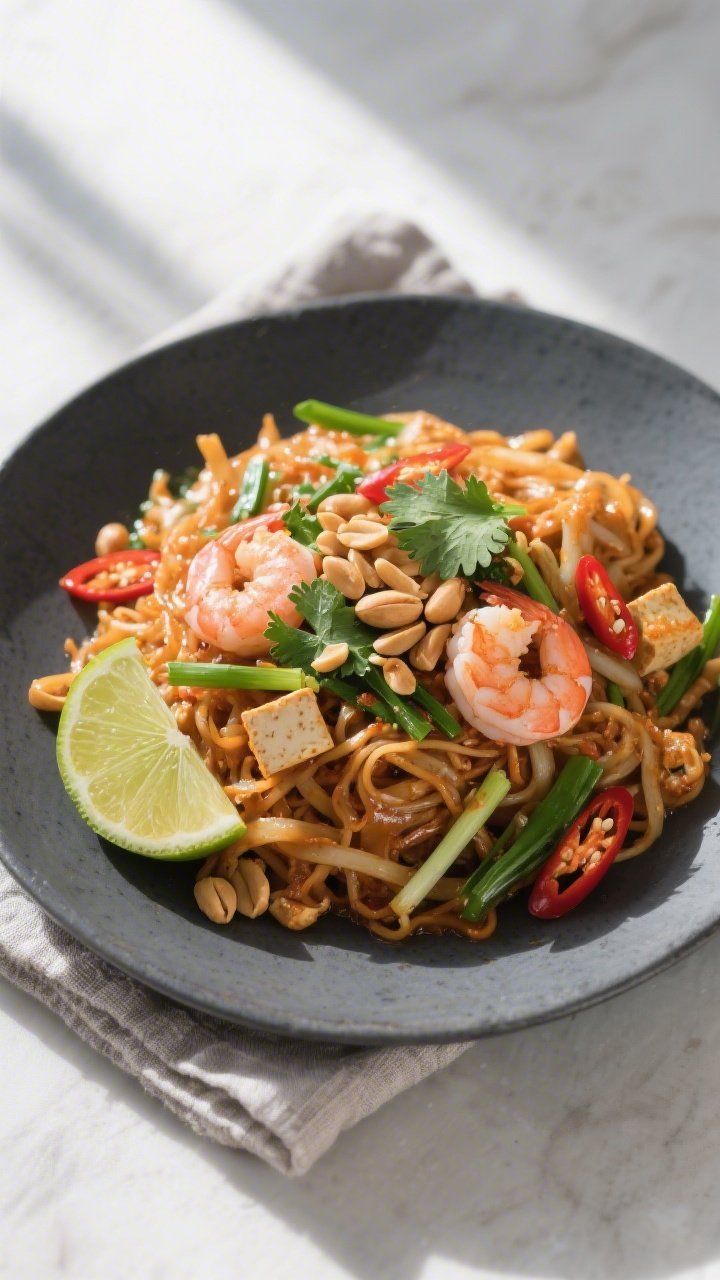
- Soak the noodles: Place dry rice noodles in a large bowl and cover with hot tap water. Soak until pliable but not mushy, 20–30 minutes. Drain just before cooking.
- Mix the sauce: In a small bowl, whisk tamarind, tamari, sugar, fish sauce, vinegar or lime, and chili paste.
Taste and balance: you want tangy, sweet, salty, and a little spicy. Adjust to your liking.
- Prep the add-ins: Beat the eggs in a small bowl. Pat your protein dry and season lightly with salt.
Have garlic, onions, and veggies ready—Pad Thai cooks fast.
- Cook the protein: Heat 1 tablespoon oil in a large nonstick skillet or wok over medium-high. Add shrimp, chicken, or tofu. Cook until just done (shrimp turn pink and curl, chicken is no longer pink, tofu is golden).
Transfer to a plate.
- Scramble the eggs: Add a little more oil if needed. Pour in eggs and scramble gently until just set. Slide them to the plate with the protein.
- Sauté aromatics: Add 1 teaspoon oil.
Toss in garlic and the white parts of the green onions. Stir 30 seconds until fragrant but not browned.
- Add noodles and sauce: Add drained noodles to the pan. Pour in the sauce.
Toss with tongs for 1–2 minutes until the noodles absorb the sauce and turn glossy. If they seem dry, splash in 1–2 tablespoons water.
- Add veggies and protein: Return protein and eggs to the pan with bean sprouts, carrot, and any extra veg. Toss 1–2 more minutes.
The noodles should be tender, not mushy. Remove from heat.
- Finish and serve: Stir in the green parts of the onions. Top with chopped peanuts, cilantro, and chili.
Serve with lime wedges. Taste and adjust at the table—more lime for brightness, a pinch of sugar for roundness, or a dash of tamari for salt.
Storage Instructions
- Refrigerate: Store leftovers in an airtight container for up to 3 days.
- Reheat: Warm in a nonstick skillet over medium with a splash of water to loosen the noodles. Stir gently to avoid breaking them.
- Freeze: Not ideal. Rice noodles tend to break after thawing.
- Make-ahead tip: Mix the sauce up to 1 week ahead and keep chilled.
Soak noodles right before cooking for best texture.
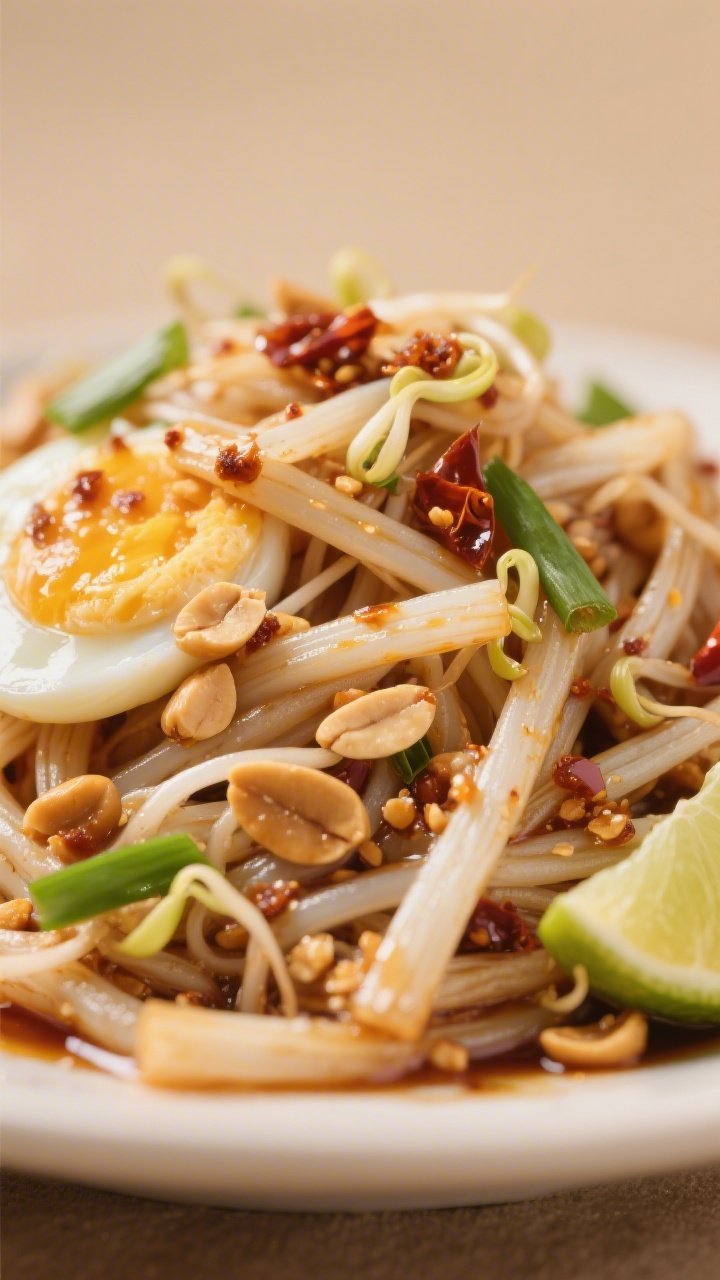
Why This is Good for You
- Naturally gluten-free base: Rice noodles make this dish accessible to gluten-free eaters without sacrificing taste.
- Protein and fiber: Eggs, shrimp/chicken/tofu, and peanuts offer protein. Veggies and bean sprouts add fiber and crunch.
- Balanced energy: Carbs from noodles, fats from peanuts and eggs, and protein give steady, satisfying fuel.
- Customizable sodium and sugar: Making it at home lets you control salt and sweetness, unlike many takeout versions.
What Not to Do
- Don’t over-soak noodles: Mushy noodles fall apart. Stop soaking when they’re flexible but still a bit firm; they’ll finish in the pan.
- Don’t skip tamarind: It’s the signature tang.
If you absolutely can’t find it, see Alternatives—but don’t rely only on vinegar.
- Don’t overcrowd the pan: Cook protein in batches if needed. Crowding steams rather than sears.
- Don’t forget the finish: Lime and fresh herbs wake up the entire dish. Taste and adjust right before serving.
- Don’t assume soy sauce is safe: Regular soy sauce contains wheat.
Use gluten-free tamari or coconut aminos.
Alternatives
- No tamarind: Mix 2 parts lime juice with 1 part rice vinegar and a teaspoon of brown sugar. It’s not identical, but it gets you close.
- Vegetarian/Vegan: Use tofu for protein. Replace fish sauce with extra tamari and a dash of mushroom powder or a splash of gluten-free vegan “fish” sauce for depth.
Skip eggs or use a plant-based egg substitute.
- Soy-free: Use coconut aminos and increase salt slightly. Taste as you go; coconut aminos are sweeter and less salty.
- Nut-free: Swap peanuts for toasted pumpkin seeds or sesame seeds. Keep the crunch without the nuts.
- Low heat: Omit chili paste and serve chili oil or flakes on the side so everyone can adjust their spice level.
- Extra veggies: Add bell peppers, broccoli florets, or bok choy.
Keep total veg to about 2 cups so the noodles still shine.
FAQ
Is Pad Thai naturally gluten-free?
Most restaurant Pad Thai is not fully gluten-free because of soy sauce and potential cross-contact. This recipe uses gluten-free tamari and checks every ingredient to keep it safe.
What kind of rice noodles should I buy?
Look for medium-width flat rice noodles labeled pad thai or rice sticks. Check the ingredient list for just rice and water, and verify the gluten-free label if you’re sensitive.
Can I use tamarind concentrate instead of paste?
Yes.
It’s stronger, so start with 1 to 1.5 tablespoons, taste, and adjust. Add a splash of water if the sauce is too intense.
How do I prevent sticky clumps?
Soak noodles until flexible, then drain well. Toss them immediately with the hot sauce in the pan and keep them moving.
A tablespoon of water can help loosen them if needed.
What protein works best?
Shrimp and chicken are classics, but tofu is great too. Use what you like or mix two for variety. Keep pieces bite-size so they cook quickly and evenly.
Can I make the sauce less sweet?
Absolutely.
Start with 1 to 1.5 tablespoons sugar and add more only if needed. The goal is balance, not a sugary sauce.
How spicy should it be?
That’s up to you. Start mild and add heat at the end with chili flakes or chili oil.
The core flavors are tangy and savory, so spice is optional.
What pan should I use?
A large nonstick skillet or a well-seasoned wok works best. You want high heat and room to toss without breaking the noodles.
Wrapping Up
Gluten-Free Pad Thai is all about balance, speed, and smart swaps. With tamarind, lime, and a gluten-free sauce, you get the same restaurant-style flavor at home—no guesswork.
Keep the noodles tender, finish with fresh lime and herbs, and make it your own with the protein and veggies you love. It’s a bright, crowd-pleasing meal you’ll want on repeat.
Printable Recipe Card
Want just the essential recipe details without scrolling through the article? Get our printable recipe card with just the ingredients and instructions.