
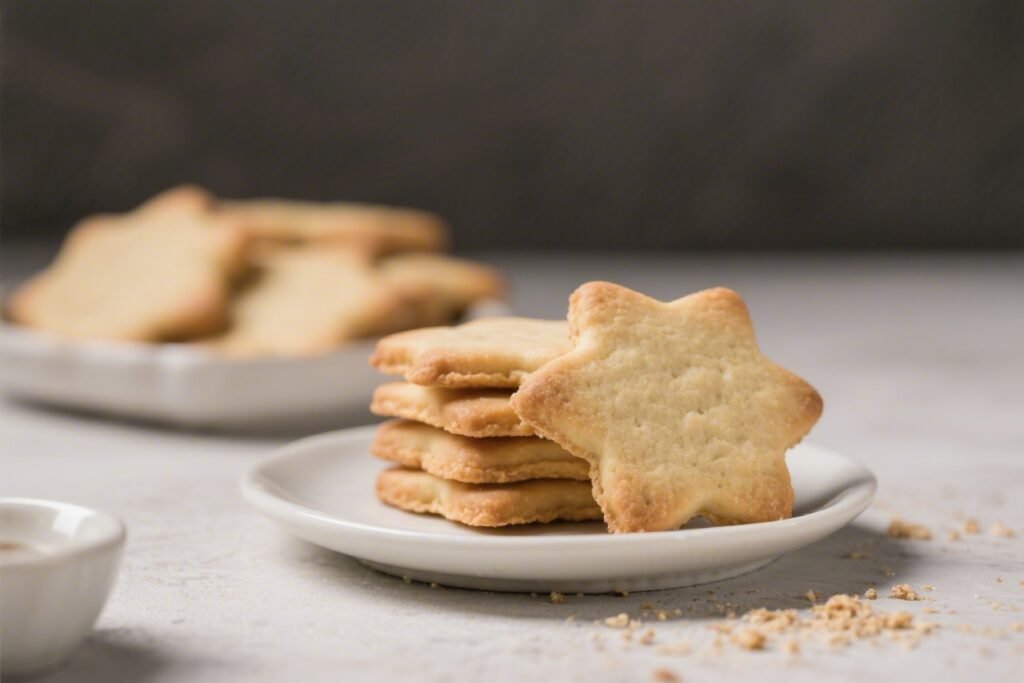
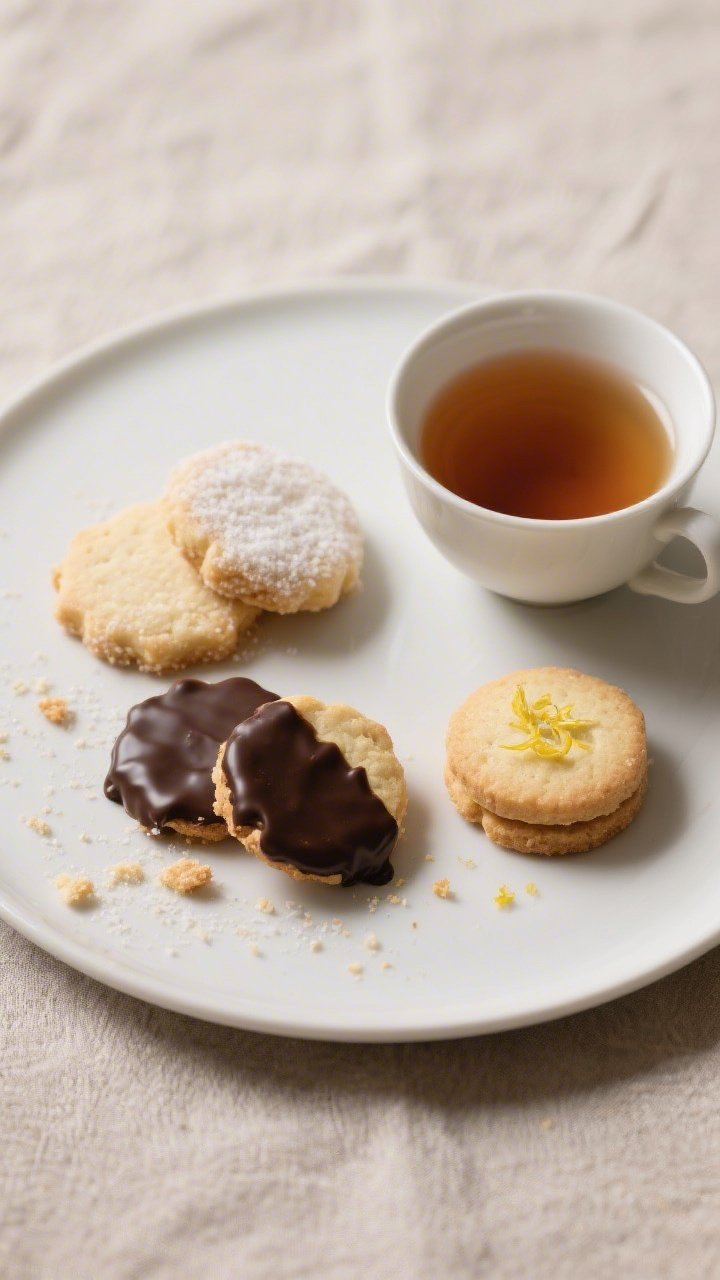
Shortbread is one of those simple pleasures that never goes out of style. These gluten-free shortbread biscuits keep all the buttery, crumbly charm of classic shortbread while being safe for those who avoid gluten. The texture is tender with a delicate snap, and the flavor is clean, rich, and just sweet enough.
They’re perfect with tea, thoughtful as a gift, and easy enough to bake on a quiet afternoon. Even better, the dough comes together in minutes and bakes into golden, melt-in-your-mouth biscuits.
Gluten-Free Shortbread Biscuits - Buttery, Tender, and Easy
Ingredients
- 1 cup (225 g) unsalted butter, softened to cool room temperature
- 2/3 cup (80 g) powdered sugar (also called icing sugar), sifted
- 1 3/4 cups (210 g) gluten-free all-purpose flour blend with xanthan gum
- 1/2 cup (60 g) fine white rice flour or cornstarch, for tenderness
- 1/4 teaspoon fine sea salt
- 1 teaspoon vanilla extract or seeds from 1/2 vanilla bean (optional)
- Optional flavor add-ins: 1 teaspoon lemon or orange zest; 1/4 teaspoon almond extract; 2 tablespoons finely chopped dark chocolate or nuts
- Optional finish: Extra granulated sugar for sprinkling
Instructions
- Prep your pan and oven. Line a baking sheet with parchment paper. Preheat the oven to 325°F (165°C).A lower bake prevents over-browning and keeps that pale, classic shortbread look.
- Cream the butter and sugar. In a large bowl, beat the softened butter and powdered sugar until smooth and slightly fluffy, about 1–2 minutes. Don’t overbeat; you want a creamy mixture, not whipped butter.
- Add flavorings. Mix in vanilla and any zest or extracts you’re using. Stir just to combine.
- Combine the dry ingredients. In a separate bowl, whisk together the gluten-free flour blend, rice flour (or cornstarch), salt, and xanthan gum if needed.This helps distribute the gum and salt evenly.
- Bring the dough together. Add the dry ingredients to the butter mixture. Stir with a spatula or wooden spoon until a soft dough forms. It will look crumbly at first, then come together as you press it.
- Rest briefly. Let the dough sit for 5–10 minutes.Gluten-free flours hydrate more slowly, and this short rest helps the dough roll and cut cleanly.
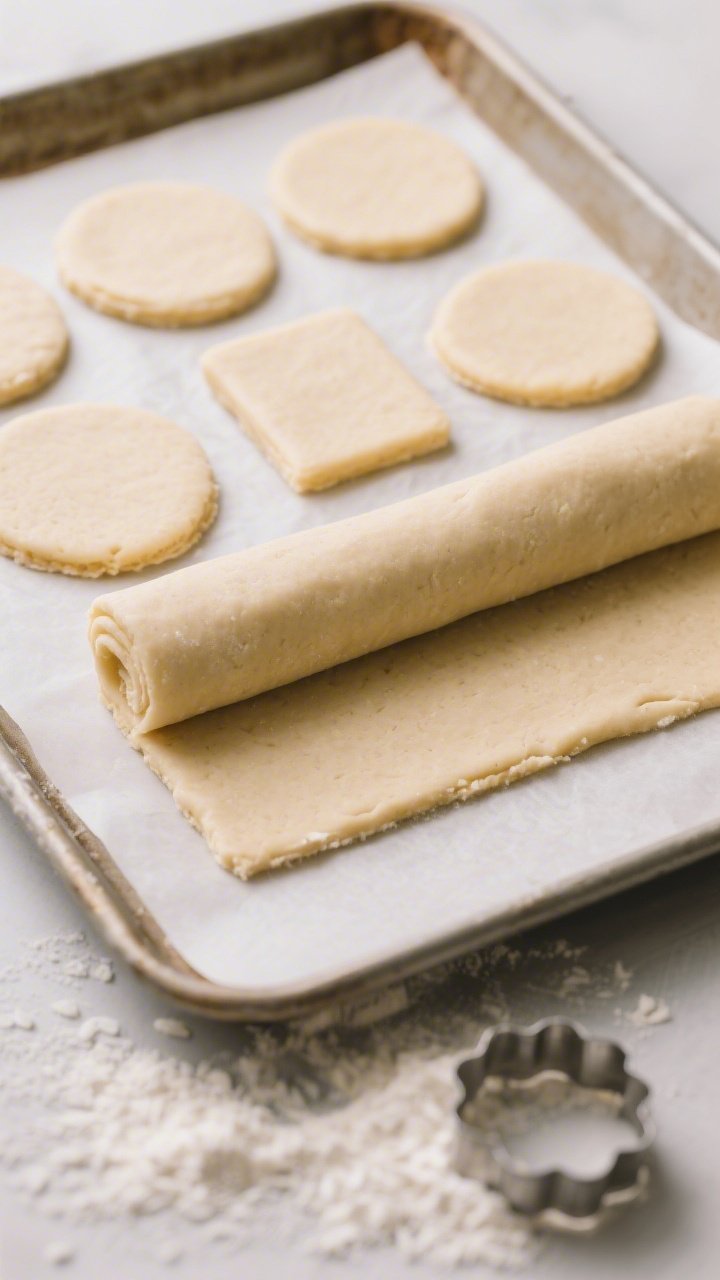
- Shape or roll. You have two options: Classic rounds: Roll the dough between two sheets of parchment to about 1/4 inch (6 mm) thick. Cut into rounds or rectangles. Re-roll scraps gently.
- Pan shortbread: Press the dough into an 8-inch (20 cm) square pan lined with parchment.Smooth the top and score into bars with a knife.
- Dock and chill. Prick each biscuit with a fork to prevent puffing. If your kitchen is warm, chill the shaped dough on the baking sheet for 15 minutes to hold edges.
- Bake. Bake for 16–22 minutes, depending on size, until the edges are just turning light gold and the tops look set. Shortbread should stay pale overall.
- Finish and cool. While warm, sprinkle lightly with granulated sugar for sparkle, if you like.Cool on the sheet for 10 minutes, then transfer to a rack to cool completely. Shortbread firms as it cools.
What Makes This Recipe So Good
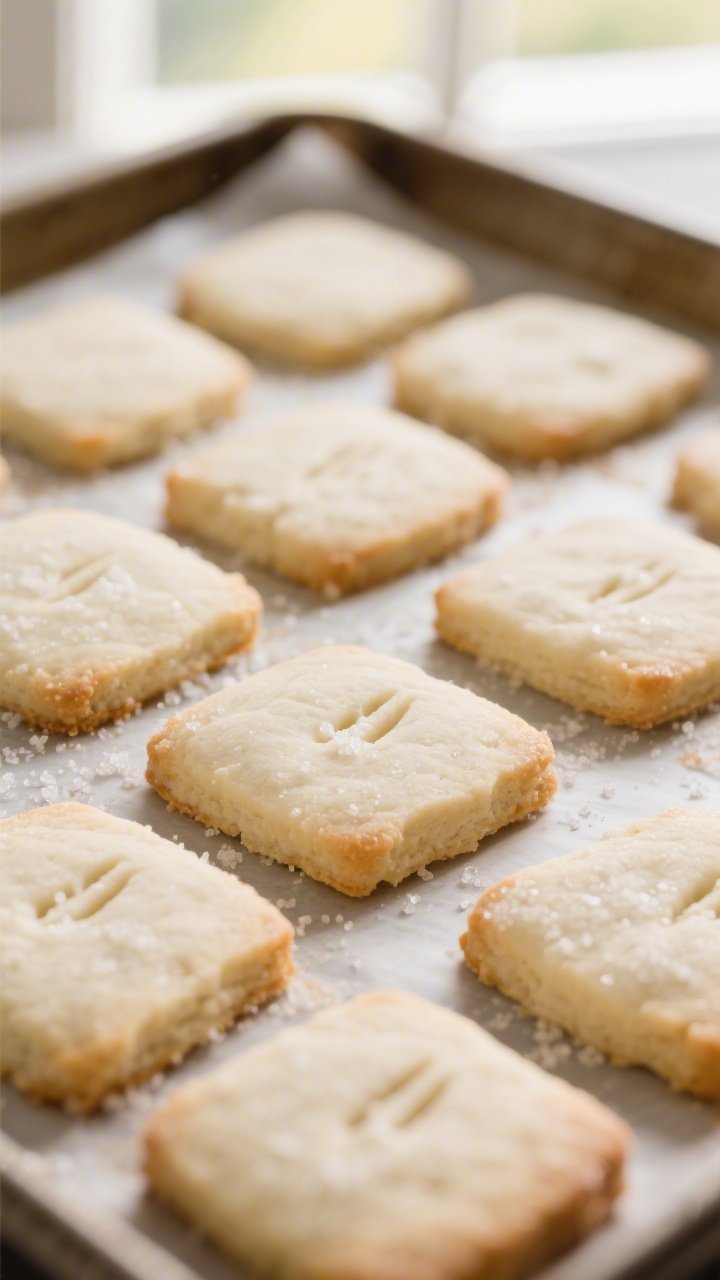
- Classic shortbread texture without gluten: Light, crisp edges with a soft, sandy middle.
- Simple ingredient list: Butter, sugar, and flour—just the essentials, made gluten-free.
- No special equipment: A bowl, a spoon, and a baking sheet are all you need.
- Easy to customize: Add citrus zest, vanilla, or even a dip of dark chocolate.
- Reliable and forgiving: The dough is sturdy, rolls well, and doesn’t spread too much.
What You’ll Need
- 1 cup (225 g) unsalted butter, softened to cool room temperature
- 2/3 cup (80 g) powdered sugar (also called icing sugar), sifted
- 1 3/4 cups (210 g) gluten-free all-purpose flour blend with xanthan gum
- 1/2 cup (60 g) fine white rice flour or cornstarch, for tenderness
- 1/4 teaspoon fine sea salt
- 1 teaspoon vanilla extract or seeds from 1/2 vanilla bean (optional)
- Optional flavor add-ins: 1 teaspoon lemon or orange zest; 1/4 teaspoon almond extract; 2 tablespoons finely chopped dark chocolate or nuts
- Optional finish: Extra granulated sugar for sprinkling
Note: If your gluten-free blend does not include xanthan gum, add 1/2 teaspoon to the dry ingredients for structure.
Instructions
- Prep your pan and oven. Line a baking sheet with parchment paper. Preheat the oven to 325°F (165°C).
A lower bake prevents over-browning and keeps that pale, classic shortbread look.
- Cream the butter and sugar. In a large bowl, beat the softened butter and powdered sugar until smooth and slightly fluffy, about 1–2 minutes. Don’t overbeat; you want a creamy mixture, not whipped butter.
- Add flavorings. Mix in vanilla and any zest or extracts you’re using. Stir just to combine.
- Combine the dry ingredients. In a separate bowl, whisk together the gluten-free flour blend, rice flour (or cornstarch), salt, and xanthan gum if needed.
This helps distribute the gum and salt evenly.
- Bring the dough together. Add the dry ingredients to the butter mixture. Stir with a spatula or wooden spoon until a soft dough forms. It will look crumbly at first, then come together as you press it.
- Rest briefly. Let the dough sit for 5–10 minutes.
Gluten-free flours hydrate more slowly, and this short rest helps the dough roll and cut cleanly.
- Shape or roll. You have two options:
- Classic rounds: Roll the dough between two sheets of parchment to about 1/4 inch (6 mm) thick. Cut into rounds or rectangles. Re-roll scraps gently.
- Pan shortbread: Press the dough into an 8-inch (20 cm) square pan lined with parchment.
Smooth the top and score into bars with a knife.
- Dock and chill. Prick each biscuit with a fork to prevent puffing. If your kitchen is warm, chill the shaped dough on the baking sheet for 15 minutes to hold edges.
- Bake. Bake for 16–22 minutes, depending on size, until the edges are just turning light gold and the tops look set. Shortbread should stay pale overall.
- Finish and cool. While warm, sprinkle lightly with granulated sugar for sparkle, if you like.
Cool on the sheet for 10 minutes, then transfer to a rack to cool completely. Shortbread firms as it cools.
Yield: About 20–24 small biscuits, depending on your cutter.
Storage Instructions
- Room temperature: Store in an airtight tin or jar for 5–7 days. Keep away from humidity to maintain crispness.
- Freezer: Freeze baked biscuits for up to 2 months.
Layer with parchment in a freezer-safe container. Thaw uncovered at room temperature for best texture.
- Make-ahead dough: Wrap and chill dough for up to 3 days or freeze for 1 month. Let it soften slightly before rolling.
Why This is Good for You
Homemade gluten-free shortbread puts you in control of ingredients.
You skip hidden additives and choose a flour blend that works for your body. The recipe uses modest sugar, and powdered sugar keeps the texture fine without excess sweetness. Butter provides satisfying richness, so a small biscuit feels indulgent without needing more.
If you avoid gluten due to celiac disease or sensitivity, these deliver that nostalgic cookie experience with peace of mind.
What Not to Do
- Don’t overbake. Dark brown edges mean dry, tough biscuits. Pull them when they’re pale gold at the edges.
- Don’t skip the rest. A brief dough rest improves handling and prevents crumbling.
- Don’t use gritty flours alone. Straight rice flour can be sandy. A balanced gluten-free blend gives better texture.
- Don’t overcream the butter. Too much air makes the biscuits puff and spread.
- Don’t cut too thick or too thin. Aim for 1/4 inch so they bake through without drying out.
Alternatives
- Dairy-free: Use a high-fat, plant-based butter stick (not spread).
Choose one with at least 75–80% fat for proper crumb. Add a pinch more salt if the butter is unsalted and very mild.
- Sugar swap: Powdered sugar creates the best texture. If you must, use superfine cane sugar and beat a little longer to dissolve, but expect a slightly crisper bite.
- Flavor twists: Try Earl Grey tea leaves, lavender (sparingly), cocoa nibs, or ground cardamom.
For chocolate-dipped edges, cool completely and dip in melted dark chocolate, then let set.
- Nut flour boost: Replace 2–3 tablespoons of the rice flour with almond flour for a richer, slightly softer crumb.
- Cornstarch swap: If you don’t have rice flour, use cornstarch or potato starch for tenderness in the same amount.
FAQ
Which gluten-free flour blend works best?
A cup-for-cup gluten-free all-purpose blend that contains rice flour, starches, and xanthan gum works well. If your blend doesn’t include xanthan, add 1/2 teaspoon to the dry mix. Avoid blends that are mostly bean flours for this recipe, as they can taste earthy.
Why use powdered sugar instead of granulated?
Powdered sugar dissolves quickly and contains a little starch, which helps create that fine, melt-in-your-mouth texture.
Granulated sugar can make the biscuits a bit gritty and more likely to spread.
Do I need to chill the dough?
It’s optional but helpful. A 15-minute chill holds the edges and makes the biscuits cleaner and crisper. If your kitchen is cool and the butter didn’t get too soft, you can skip it.
How do I prevent a sandy or crumbly texture?
Use a balanced flour blend and include a starch like cornstarch or rice flour for tenderness.
Don’t overbake, and give the dough a short rest to hydrate. Measuring by weight also improves consistency.
Can I make them vegan?
Yes. Use a quality vegan butter with a high fat content.
Skip coconut oil alone—it tends to make the texture waxy and can cause excessive spread. Check that your sugar is vegan-friendly if needed.
How thick should I roll the dough?
About 1/4 inch (6 mm) is the sweet spot. Thinner can turn brittle; thicker may stay too soft in the center.
If making pan shortbread, press to an even thickness for uniform baking.
What if my dough cracks when rolling?
That’s common with gluten-free dough. Roll between two sheets of parchment and press any cracks back together. If it’s very crumbly, let it rest another 5 minutes or knead it gently a few times to warm it slightly.
How do I get clean edges on cut biscuits?
Dip your cutter in rice flour and press straight down without twisting.
Chilling the cut shapes for a few minutes before baking helps maintain those crisp edges.
Can I add chocolate chips?
Yes, but keep pieces small so you can cut clean shapes. Finely chopped dark chocolate or mini chips work best. Alternatively, dip the cooled biscuits in melted chocolate for a neat finish.
Why is my shortbread tough?
Too much flour or overbaking are common causes.
Weigh your ingredients if possible, and pull the biscuits when the edges just turn golden. Also avoid overmixing once the dry ingredients are added.
In Conclusion
Gluten-free shortbread biscuits should feel effortless, and this recipe delivers. With a few pantry staples and a gentle bake, you’ll get buttery, delicate biscuits that taste like the classic you remember.
Keep the steps simple, choose a good flour blend, and let the oven do the rest. Whether you serve them plain, sugared, or dipped in chocolate, they’ll bring a little quiet joy to any moment. Enjoy them fresh, share a tin, and keep a few tucked away for yourself.
Printable Recipe Card
Want just the essential recipe details without scrolling through the article? Get our printable recipe card with just the ingredients and instructions.