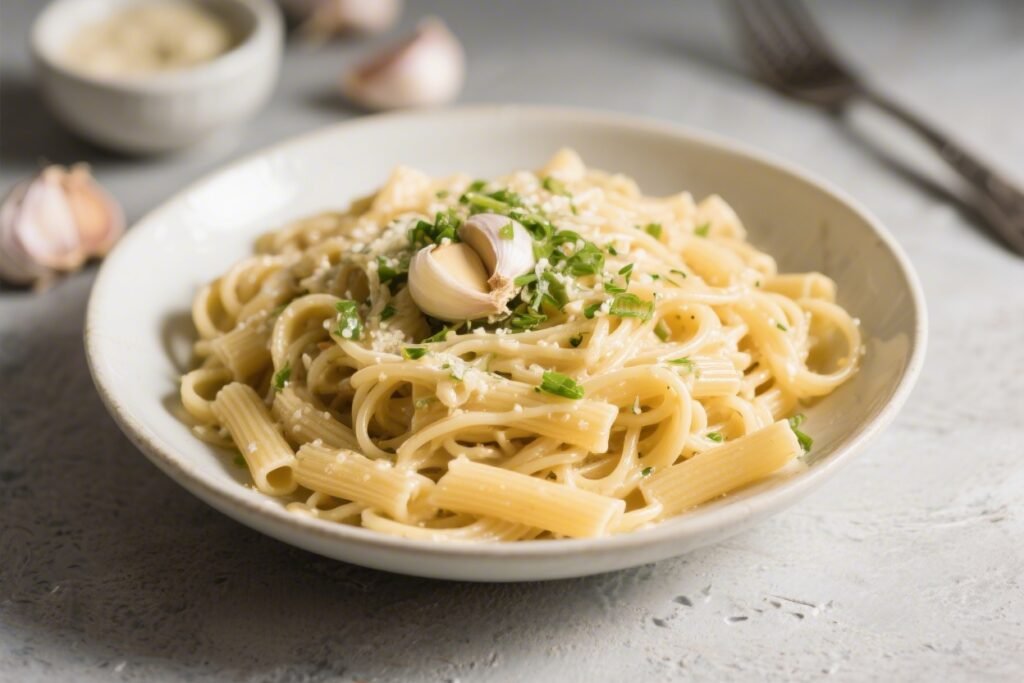
This is the weeknight pasta you make when you’re short on time but want something cozy and satisfying. It’s buttery, garlicky, and silky—without any dairy. The sauce comes together while the pasta cooks, and you only need basic pantry ingredients.
It’s simple enough for a Tuesday night, but good enough to serve to friends. Best of all, it’s ready in about 15 minutes from start to finish.
15-Minute Dairy-Free Garlic Pasta - Fast, Comforting, and Creamy Without the Cream
Ingredients
- Pasta: Spaghetti, linguine, or fettuccine (8 ounces for 2–3 servings)
- Olive oil: Extra-virgin if possible (3–4 tablespoons)
- Garlic: 5–7 cloves, thinly sliced or minced
- Plant milk: Unsweetened, unflavored oat, almond, or soy milk (1/2 cup)
- Lemon: 1 lemon for zest and juice
- Red pepper flakes: A pinch, to taste
- Fresh parsley: A small handful, chopped
- Nutritional yeast or dairy-free Parmesan: Optional, 2–3 tablespoons
- Sea salt and black pepper: To taste
- Pasta water: Reserve 3/4 to 1 cup (from the pot)
Instructions
- Boil the pasta. Bring a large pot of salted water to a rolling boil.Add pasta and cook until just shy of al dente. Before draining, reserve 3/4 to 1 cup of pasta water for the sauce.
- Warm the oil and garlic. While the pasta cooks, set a large skillet over medium heat. Add olive oil and sliced garlic.Cook gently for 1–2 minutes until fragrant and just turning pale gold. Don’t brown it—browned garlic tastes bitter.
- Add heat and brightness. Sprinkle in red pepper flakes and the lemon zest. Swirl for 15 seconds to bloom the flavors.
- Create the base. Pour in the plant milk and 1/2 cup of pasta water. Stir and let it simmer for 30–60 seconds.The starch in the water will help the sauce turn glossy and slightly thick.
- Season. Add a good pinch of salt and a few grinds of black pepper. Taste and adjust—this is your flavor foundation.
- Toss with pasta. Add the drained pasta directly to the skillet. Toss for 1–2 minutes, adding more pasta water as needed until the sauce clings to every strand and looks silky.
- Finish. Stir in chopped parsley, a squeeze of lemon juice, and nutritional yeast or dairy-free Parmesan if using.Toss again and taste. Adjust salt, pepper, and lemon to your liking.
- Serve hot. Plate immediately. Drizzle with a little extra olive oil, add more parsley, and finish with a pinch of red pepper flakes if you want more kick.
What Makes This Special
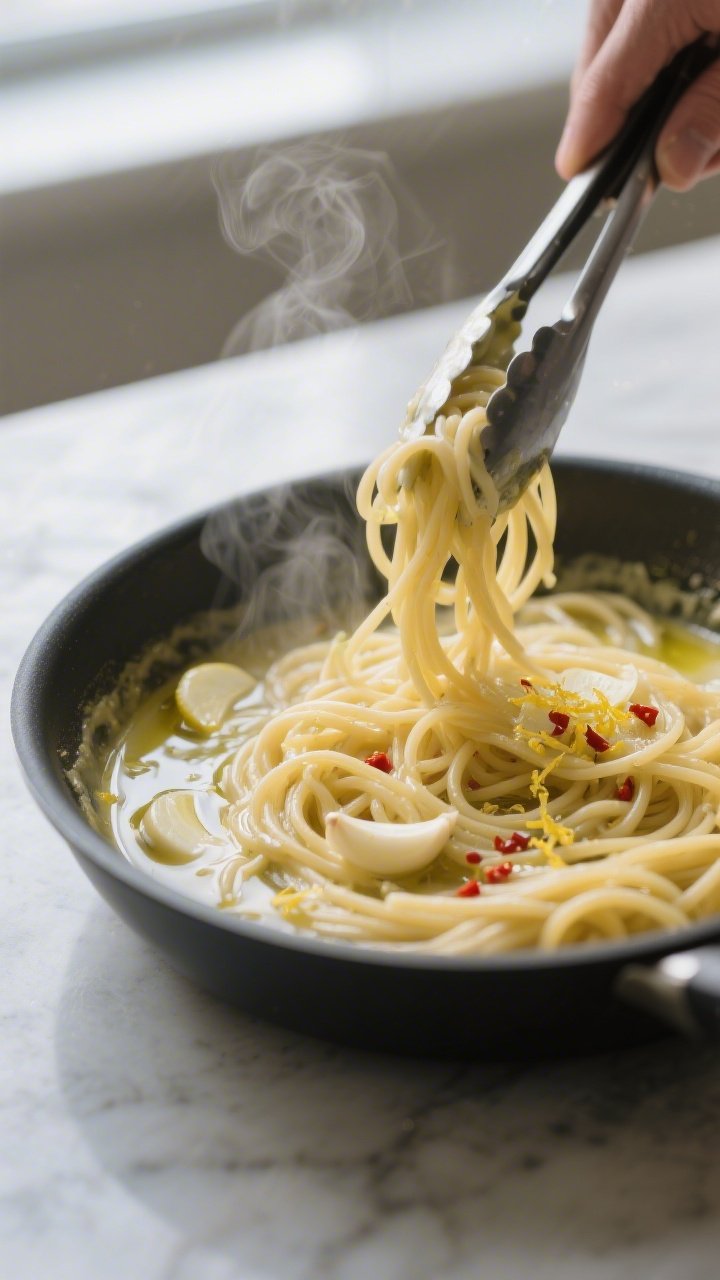
This pasta takes the spirit of classic garlic-butter noodles and gives it a dairy-free twist without sacrificing flavor or texture. Olive oil, a splash of starchy pasta water, and a touch of plant milk create a glossy, clingy sauce that feels indulgent.
Fresh lemon and parsley brighten everything so it never tastes heavy. You don’t need special ingredients, and it cooks in the time it takes to boil pasta. It’s the kind of recipe you’ll memorize after making it once.
Shopping List
- Pasta: Spaghetti, linguine, or fettuccine (8 ounces for 2–3 servings)
- Olive oil: Extra-virgin if possible (3–4 tablespoons)
- Garlic: 5–7 cloves, thinly sliced or minced
- Plant milk: Unsweetened, unflavored oat, almond, or soy milk (1/2 cup)
- Lemon: 1 lemon for zest and juice
- Red pepper flakes: A pinch, to taste
- Fresh parsley: A small handful, chopped
- Nutritional yeast or dairy-free Parmesan: Optional, 2–3 tablespoons
- Sea salt and black pepper: To taste
- Pasta water: Reserve 3/4 to 1 cup (from the pot)
Instructions
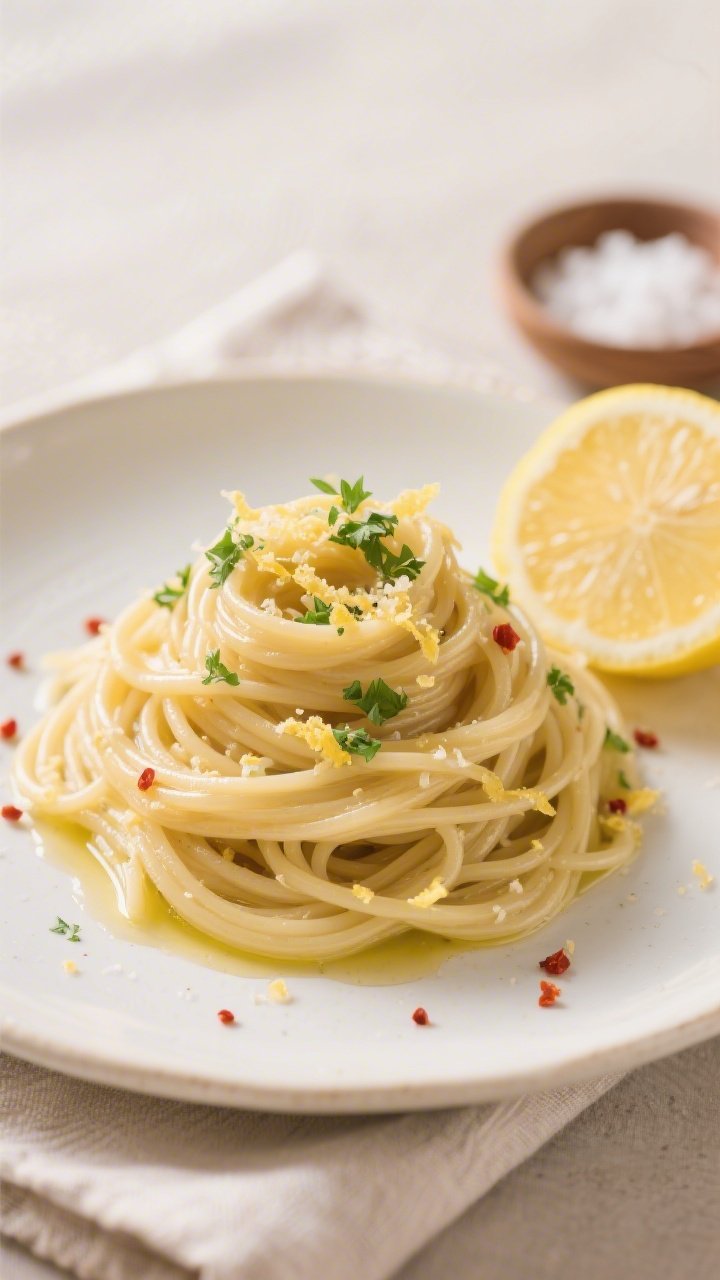
- Boil the pasta. Bring a large pot of salted water to a rolling boil.
Add pasta and cook until just shy of al dente. Before draining, reserve 3/4 to 1 cup of pasta water for the sauce.
- Warm the oil and garlic. While the pasta cooks, set a large skillet over medium heat. Add olive oil and sliced garlic.
Cook gently for 1–2 minutes until fragrant and just turning pale gold. Don’t brown it—browned garlic tastes bitter.
- Add heat and brightness. Sprinkle in red pepper flakes and the lemon zest. Swirl for 15 seconds to bloom the flavors.
- Create the base. Pour in the plant milk and 1/2 cup of pasta water. Stir and let it simmer for 30–60 seconds.
The starch in the water will help the sauce turn glossy and slightly thick.
- Season. Add a good pinch of salt and a few grinds of black pepper. Taste and adjust—this is your flavor foundation.
- Toss with pasta. Add the drained pasta directly to the skillet. Toss for 1–2 minutes, adding more pasta water as needed until the sauce clings to every strand and looks silky.
- Finish. Stir in chopped parsley, a squeeze of lemon juice, and nutritional yeast or dairy-free Parmesan if using.
Toss again and taste. Adjust salt, pepper, and lemon to your liking.
- Serve hot. Plate immediately. Drizzle with a little extra olive oil, add more parsley, and finish with a pinch of red pepper flakes if you want more kick.
Keeping It Fresh
This pasta is best right off the stove, when the sauce is glossy and loose. If you have leftovers, store them in an airtight container in the fridge for up to 3 days.
To reheat, splash in a bit of water or plant milk and warm gently on the stove, tossing until it loosens. Avoid high heat, which can dry out the sauce and dull the lemon flavor.
Why This is Good for You
- Garlic brings benefits. It’s rich in compounds like allicin that support heart health and may help the immune system.
- Olive oil is heart-friendly. It provides monounsaturated fats and antioxidants, which are linked to reduced inflammation.
- Plant milk lightens the load. You get creaminess without saturated dairy fats, and soy milk adds a bit of protein.
- Parsley and lemon brighten and balance. They add vitamin C and fresh flavor so the dish feels light rather than heavy.
- Simple carbs, steady energy. Pair the pasta with a protein or veggies to round out the meal and keep you satisfied longer.
Common Mistakes to Avoid
- Burning the garlic. It goes from golden to bitter fast. Keep the heat moderate and pull it early if it darkens.
- Skipping the pasta water. The starch makes the sauce cling.
Without it, the noodles can taste oily or dry.
- Overcooking the pasta. Slightly undercook before tossing in the sauce. It will finish cooking in the skillet.
- Using sweetened plant milk. Always choose unsweetened and unflavored milk to avoid odd sweetness.
- Under-seasoning. Salt enhances the garlic and lemon. Taste, adjust, and taste again.
Recipe Variations
- Lemony arugula. Toss in a few handfuls of baby arugula at the end.
It wilts slightly and adds peppery bite.
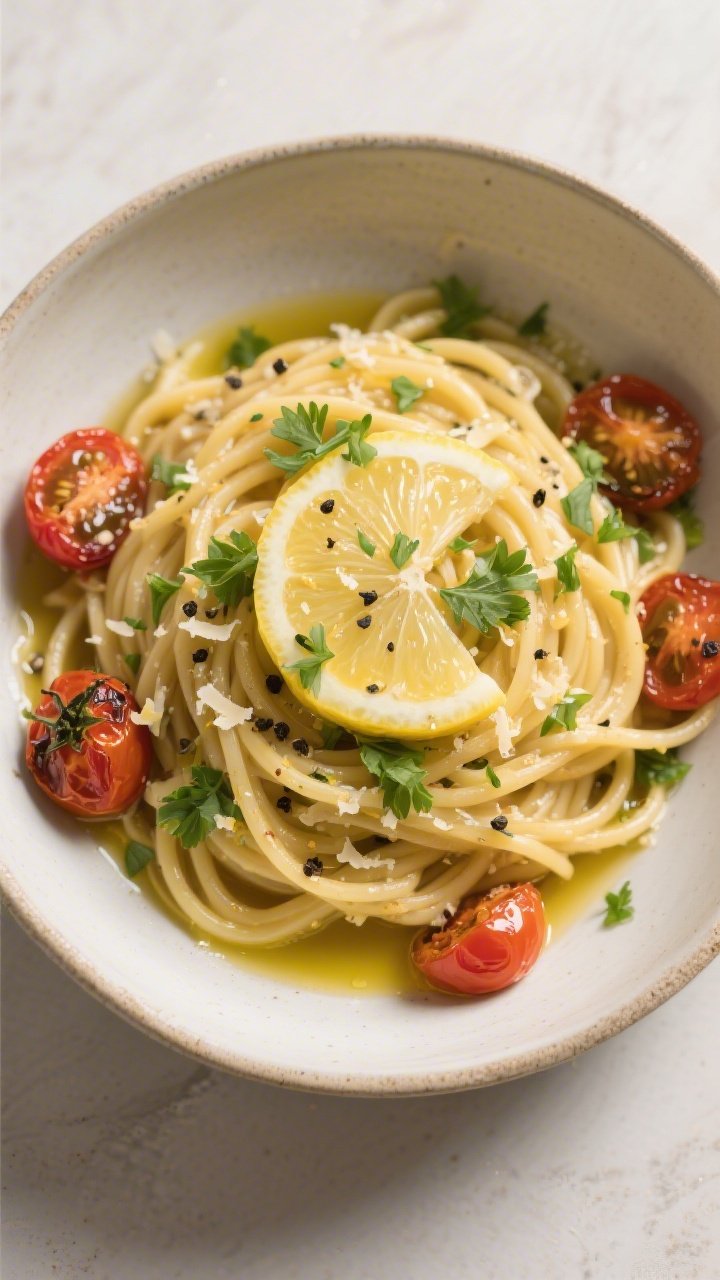
- Roasted tomatoes. Stir in blistered cherry tomatoes or oven-roasted grape tomatoes for juicy pops of sweetness.
- Mushroom umami. Sauté sliced cremini or shiitake in olive oil first, then build the sauce in the same pan.
- Protein boost. Add chickpeas, white beans, or pan-seared tofu cubes for extra staying power.
- Gluten-free swap. Use your favorite gluten-free spaghetti and keep the rest the same.
- Creamier finish. Whisk 1–2 teaspoons of cornstarch into the plant milk before adding for a slightly thicker, creamier sauce.
- Herb switch-up. Try basil, chives, or dill instead of parsley for a different vibe.
- Olive and caper twist. Fold in sliced olives and a spoon of capers for a briny, puttanesca-style edge.
FAQ
Can I make this without plant milk?
Yes. Use extra pasta water and a touch more olive oil. The starch will still create a light, glossy sauce.
For a richer feel, blend a small scoop of hummus into the sauce off the heat.
What pasta shape works best?
Long shapes like spaghetti, linguine, or fettuccine are great because they twirl and coat evenly. Short cuts like penne or rotini also work—just toss thoroughly so the sauce gets into all the nooks.
How do I keep it from tasting oily?
Use enough pasta water and keep tossing over gentle heat until the oil emulsifies into a cohesive sauce. If it looks slick, add another splash of water and continue tossing until it turns satiny.
Can I add vegetables?
Absolutely.
Broccoli florets, peas, spinach, or zucchini are easy wins. Par-cook them in the pasta water during the last 2–3 minutes, then drain and toss into the sauce with the pasta.
Is nutritional yeast necessary?
No, but it adds a cheesy, savory note that mimics Parmesan. If you have a dairy-free Parmesan you like, use that instead, or skip it entirely and lean on lemon and garlic.
Will the garlic be too strong?
Cooking it gently tames the sharpness and brings out sweetness.
If you’re sensitive to raw garlic flavor, slice rather than mince, and avoid browning. You can also use fewer cloves and add more next time.
Can I make it ahead?
This dish shines when fresh. If you need to prep, mince the garlic and chop herbs in advance, and measure the ingredients.
Cook the pasta and finish the sauce right before serving for the best texture.
Final Thoughts
This 15-minute dairy-free garlic pasta proves you don’t need cream or butter to get a luscious, comforting bowl of noodles. With a few pantry staples and smart technique, you get big flavor in almost no time. Keep this one in your back pocket for busy nights, lazy weekends, or any moment you want a simple, satisfying meal that tastes like more than the sum of its parts.
Add a side salad or roasted veggies, and dinner’s done.
Printable Recipe Card
Want just the essential recipe details without scrolling through the article? Get our printable recipe card with just the ingredients and instructions.